Why Your Weight Loss Has Stalled
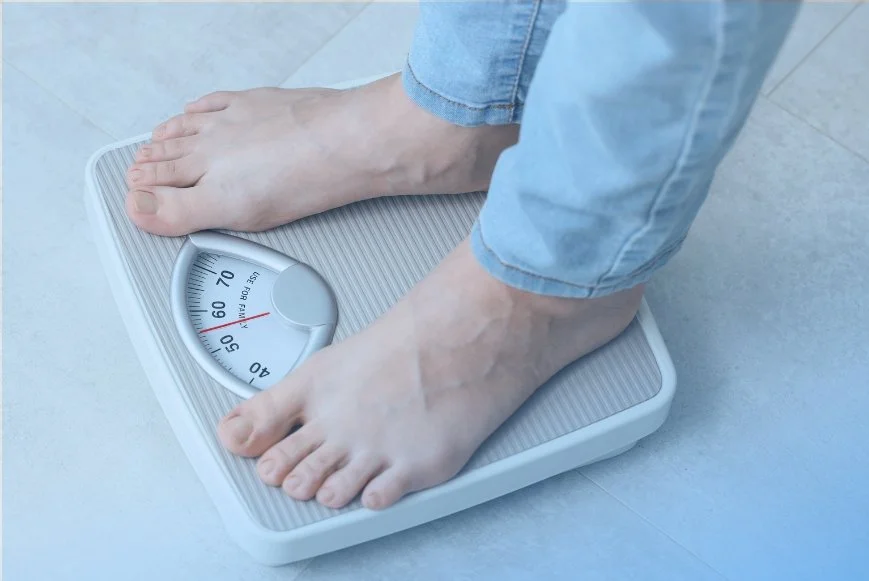
Why Weight Loss Stalls Even When You’re Doing Everything Right
You are eating better. You are working out. You are staying consistent. Maybe you are tracking meals, drinking more water, walking more, lifting weights, or trying to make better choices throughout the week.
But the scale still will not move.
That can feel frustrating, especially when you know you are putting in the effort. At DexaFit West Houston, Dr. Gregory Burzynski and the team help clients in West Houston and nearby Katy, Texas better understand what may be happening beneath the surface when weight loss slows, stalls, or feels harder than it should.
A weight loss plateau does not always mean you are doing something wrong. Sometimes, it means your body has adapted, your metabolism has shifted, or the scale is not telling the full story.
Why Can Weight Loss Slow Down Over Time?
Weight loss is not always a straight line. In the beginning, progress may feel easier because the body is responding to new habits, changes in calories, increased movement, or improved food choices. Over time, however, the body can become more efficient.
That means it may burn fewer calories doing the same activities. Your resting metabolism may change. Muscle loss may quietly reduce daily energy needs. Stress, sleep, and recovery can also influence hunger, cravings, energy, and how the body responds to a nutrition or exercise plan.
Common hidden factors behind a plateau may include:
Muscle loss during fat loss
A slower resting metabolism
Metabolic adaptation from long-term dieting
Poor sleep, stress, or low recovery
Workouts that no longer challenge the body
Progress the scale cannot show
This is why guessing can become frustrating. If you only use body weight as your main measurement, you may miss important changes in fat mass, lean mass, visceral fat, and metabolic function.
The Scale Does Not Tell the Whole Story
A scale only shows total weight. It cannot show how much of that weight is fat, muscle, bone, or visceral fat. That matters because someone may be losing fat, maintaining muscle, or improving body composition without seeing a major change on the scale.
DexaFit Body Composition Scan gives a clearer picture by measuring fat mass, lean mass, bone density, and visceral fat. This helps clients see where progress is really happening.
Dr. Gregory Burzynski says, “The scale can make people feel stuck when their body is actually changing. Better data helps us see what is working, what needs adjusting, and what the next step should be.”
That shift can move the conversation from frustration to a more informed plan.
How Can Testing Help Break Through a Plateau?
At DexaFit West Houston, testing can help reveal whether your current plan matches your body’s actual needs. Instead of relying on estimates, advanced testing gives you more personalized data.
Helpful testing may include:
DEXA scan to measure fat, muscle, bone density, and visceral fat
RMR testing to estimate how many calories your body burns at rest
VO2 Max testing to evaluate cardiovascular fitness and training efficiency
Repeat testing over time to track real changes beyond body weight
RMR testing can be especially useful when someone has been dieting for a long time. If your resting metabolism is lower than expected, a generic calorie plan may not be the best fit. VO2 Max testing can also help show whether your cardio training is improving fitness or simply burning time without moving your endurance forward.
Together, these tools can help guide more informed decisions around nutrition, strength training, recovery, and exercise intensity.
When Effort Is Not the Problem
Many people blame themselves when weight loss stalls. They assume they need more discipline, fewer calories, or harder workouts. Sometimes that may help, but sometimes it can make the problem worse.
Eating too little for too long may increase fatigue, reduce workout quality, and make recovery harder. Doing more cardio without strength training may lead to muscle loss. Ignoring sleep and stress may make hunger and energy harder to manage.
A better plan starts with better information.
When you know your body composition, resting metabolism, and fitness level, you can make changes with more confidence. That may mean adjusting calories, increasing protein, adding strength training, changing cardio zones, improving recovery, or simply giving your body a smarter structure.
A Smarter Way to Understand Your Weight Loss Plateau
A weight loss plateau is not always a failure. It may be a signal that your body has changed and your plan needs to change with it.
At DexaFit West Houston, advanced testing can help you see what the scale cannot. Whether your goal is fat loss, muscle preservation, better fitness, or long-term health, DEXA, RMR, and VO2 Max testing can provide data that supports a more personalized next step.
If your weight loss has stalled even though you feel like you are doing everything right, schedule testing at DexaFit West Houston and learn what your body is really telling you.
Published by DexaFit West Houston | Dr. Gregory Burzynski | Serving West Houston & Harris County, TX | (713)834-4353
Educational purposes only. Not medical advice.