DEXA Scan vs Movement Assessment: What Each Test Shows | Houston TX
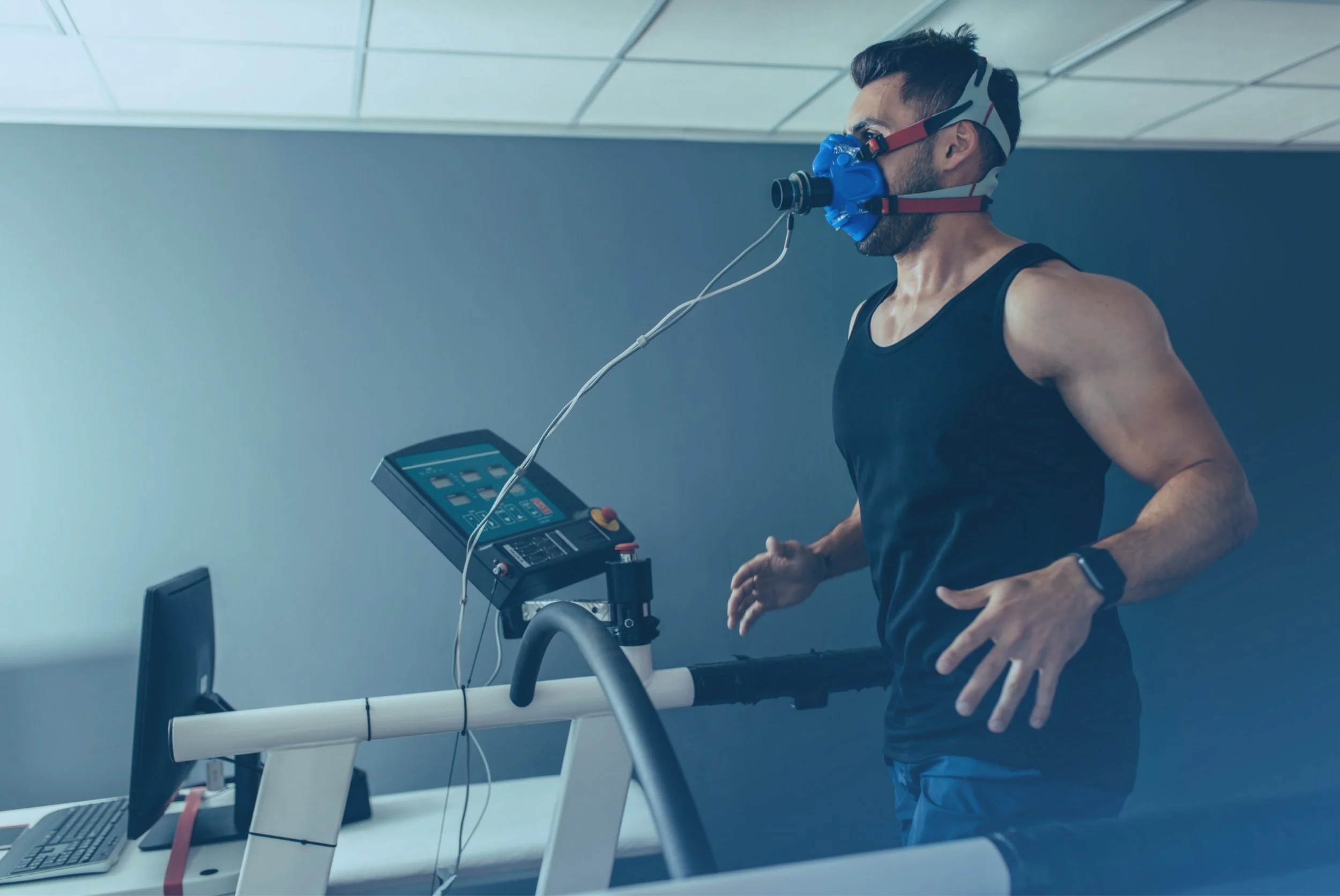
What Is the Difference Between a DEXA Scan and a Movement Assessment?
A DEXA scan measures body composition, including fat, lean soft tissue, and bone information by region. A movement assessment evaluates how the body performs specific movements, so it adds information about mobility, stability, balance, and alignment rather than tissue quantity.
Composition Describes the Materials
DEXA provides a map of fat, lean soft tissue, and bone mineral. Regional results can show how lean tissue is distributed across the arms, legs, and trunk.
That information is valuable for tracking a training phase, weight-management effort, or long-term baseline. It cannot show how a joint moves through a squat, reach, or step.
Movement Describes the Pattern
A movement assessment observes tasks and reports patterns related to mobility, stability, balance, and alignment. It can identify where a closer training or professional evaluation conversation may be useful.
It does not measure tissue composition. A person may move efficiently with a regional composition difference, or move poorly despite balanced lean-mass values.
Why the Two Results May Be Stronger Together
When a lean-mass difference appears on DEXA and a similar side-to-side pattern appears during movement, the combined information can help a qualified professional ask more focused questions.
The relationship is not proof of cause. Pain, prior injury, skill, fatigue, and anatomy all matter, which is why testing should support judgment rather than replace it.
Use Assessment Before Adding More Load
A common mistake is to respond to every limitation by simply working harder. More load placed on an unclear movement pattern may not address the actual need.
A better sequence is to measure, understand, plan, and then recheck. The test becomes useful when it changes what happens next.
Frequently Asked Questions
Can a movement assessment diagnose an injury?
No. It can identify patterns and areas for attention, but pain or suspected injury requires evaluation by an appropriately qualified healthcare professional.
Should DEXA and movement testing happen on the same day?
They can, depending on the facility workflow and preparation requirements. Ask the DexaFit West Houston team how to schedule the services appropriately.
What should I do with the results?
Review them with the team, then share relevant findings with a coach, physical therapist, or healthcare professional when the goal requires specialized guidance.
Use the Result as a Starting Point
DexaFit West Houston provides objective testing and a review of the results so the numbers can be understood in context. Learn more about AI-powered movement assessment, review test preparation, or book an appointment.
Visit 9432 Katy Fwy #400, Houston, TX 77055, or call (713) 834-4353. This article is educational and does not replace medical evaluation, diagnosis, treatment, or individualized exercise clearance.
Published by DexaFit West Houston | Dr. Gregory Burzynski | Serving West Houston & Harris County, TX | (713)834-4353
Educational purposes only. Not medical advice.