PEMF Therapy to Support Recovery, Sleep, and Energy | DexaFit West Houston
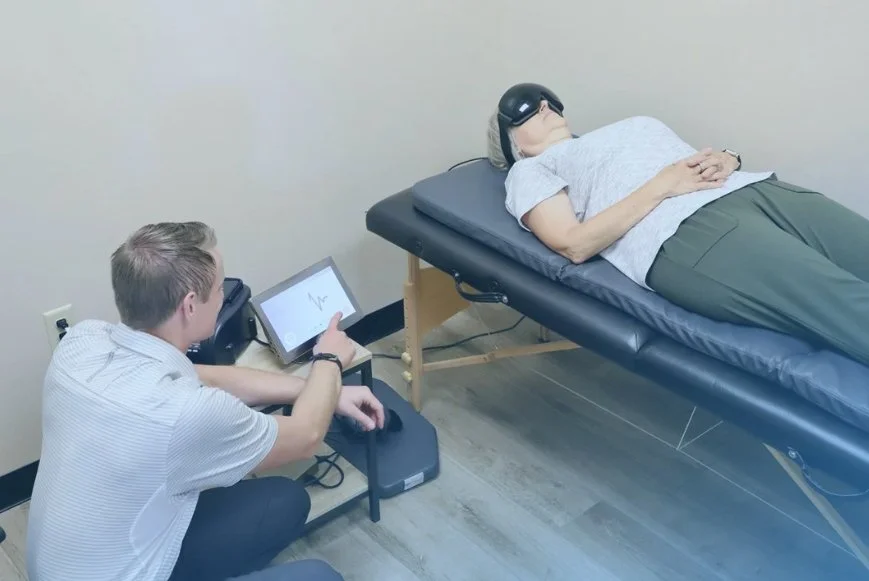
PEMF Therapy for Recovery, Energy, and Cellular Support
Every cell in the body depends on electrical activity to function. That electrical communication helps influence movement, repair, circulation, nerve signaling, and recovery. When the body is under stress from injury, inflammation, poor sleep, overtraining, or chronic discomfort, those systems may not work as efficiently as they should.
DexaFit West Houston offers PEMF therapy, also known as pulsed electromagnetic field therapy, as a noninvasive way to support recovery and wellness. PEMF uses gentle electromagnetic pulses that interact with the body’s tissues and may help support cellular function, circulation, inflammation balance, and repair.
This is not a new idea. PEMF technology has been studied for decades, especially in orthopedic medicine, rehabilitation, pain management, and bone healing. Certain PEMF devices have been cleared by the FDA for specific uses, including bone healing support in nonunion fractures. Today, PEMF is also used in wellness and performance settings by people who want another tool for recovery, energy, sleep support, and long-term health.
How Does PEMF Therapy Work?
PEMF therapy delivers pulsed electromagnetic fields to the body through a mat, pad, or device. These pulses are designed to create small electrical changes in tissues. The goal is not to shock the body or force a response. Instead, PEMF is meant to gently stimulate natural cellular activity.
Your body already runs on electrical signals. Your heart rhythm, nervous system, muscles, and cells all depend on electrical communication. PEMF therapy works with that concept by exposing the body to controlled electromagnetic pulses that may help support healthier signaling and repair processes.
Because PEMF is noninvasive and easy to use, it can be added to a recovery routine without needles, downtime, or intense physical effort. For many people, that makes it a practical option when the goal is to support the body’s natural repair systems more consistently.
What Does the Research Say About PEMF Therapy?
Research has explored PEMF therapy for bone healing, inflammation, musculoskeletal pain, wound repair, circulation, and tissue recovery. While results can vary based on the device, frequency, intensity, condition being addressed, and individual health status, the therapy is widely discussed because of its potential role in recovery and rehabilitation.
One of the most established uses of PEMF is in bone healing. Orthopedic research has shown that pulsed electromagnetic fields have been used to support bone repair, especially in cases where fractures have not healed as expected. This is one reason PEMF is often connected to regenerative medicine and cellular recovery.
PEMF may also support circulation and oxygen delivery. Better circulation can help tissues receive nutrients and remove waste more efficiently, which matters for recovery, soreness, and overall performance. Some research also suggests PEMF may influence inflammatory pathways, which is why it is often used by people dealing with stiffness, discomfort, or slower recovery.
Dr. Gregory Burzynski often explains PEMF therapy in a practical way: “I see PEMF as a recovery tool that helps support the body’s natural electrical and repair systems, especially for people who feel like their recovery is not keeping up with their goals.”
Who Can Benefit From PEMF Therapy?
PEMF therapy may be a good fit for people who are already working on their health but want stronger recovery support. This may include athletes, active adults, busy professionals, people focused on longevity, or individuals dealing with soreness, fatigue, stress, or slower recovery.
It may also be helpful for people who want a noninvasive option that does not require needles, medication, downtime, or intense physical effort. Most PEMF sessions are simple and relaxing, which makes the therapy easy to include in a larger wellness plan.
PEMF therapy may support several goals, including:
• Muscle recovery after workouts or physical activity
• Support for soreness, stiffness, inflammation, and joint comfort
• Better relaxation, sleep quality, circulation, and overall recovery
For many people, the biggest benefit is how easily PEMF can fit into a consistent routine. It is not meant to replace medical care, strength training, sleep, nutrition, hydration, or physical therapy. Instead, it can add another recovery-focused layer to the habits and testing that already support long-term health.
Give Your Body Better Recovery Support
Recovery is often where progress gets stuck. A person may be training, eating well, and staying active, but still feel tired, sore, inflamed, or unable to bounce back. When the body is not recovering well, performance can plateau and motivation can drop.
At DexaFit West Houston, PEMF therapy can be used as a standalone session or integrated into a more complete health and fitness program. It pairs well with services such as DEXA scan body composition testing, VO2 max testing, RMR testing, red light therapy, and other wellness tools because it helps support the recovery side of the plan.
If you are dealing with fatigue, soreness, poor recovery, stress, or a body that feels like it is not keeping up with your goals, PEMF therapy may be worth adding to your routine. Book a PEMF therapy session at DexaFit West Houston and give your body another tool to support recovery, circulation, and cellular wellness from the inside out. We’re conveniently located for those driving from Cypress, Texas and we’re happy to help.
Published by DexaFit West Houston | Dr. Gregory Burzynski | Serving West Houston & Harris County, TX | (713)834-4353
Educational purposes only. Not medical advice.